Domain hobbyware.de kaufen?
Wir ziehen mit dem Projekt
hobbyware.de um.
Sind Sie am Kauf der Domain
hobbyware.de interessiert?
domain@kv-gmbh.de · 0541-91531010
Domain hobbyware.de kaufen?
Will or gonna?
"Will" and "gonna" are both used to express future actions, but there are slight differences in their usage. "Will" is more formal and is used in more formal situations, while "gonna" is a more informal and colloquial way of expressing future actions. **
Gucci or Prada?
That is a subjective question and it depends on personal preference. Both Gucci and Prada are luxury fashion brands known for their high-quality products and unique designs. It ultimately comes down to individual style and taste. **

Ähnliche Suchbegriffe für Or
Top-Angebote
Produkte zum Begriff Or:
-
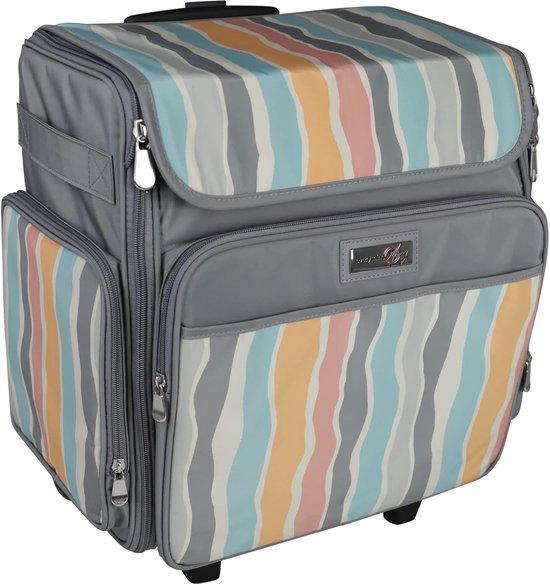
Große Trolley-Tasche mit Rollen für Hobby- und Bastelmaterial - ideal für ScrapbookingDiese praktische und geräumige Trolleytasche auf Rädern ist die ideale Lösung, um all Ihre Hobby- und Bastelutensilien zu organisieren und zu transportieren. Speziell für begeisterte Scrapbooker oder Bastler entwickelt, bietet diese Tasche ausreichend Platz für Papier, Alben, Werkzeuge und andere Materialien. Dank der robusten Räder und des ausziehbaren Zugstange können Sie Ihre gesamte kreative Sammlung mühelos von einem Ort zum anderen transportieren. Perfekt für Besuche in Hobbyclubs, Workshops oder einfach zur ordentlichen Aufbewahrung zu Hause. Die Tasche ist langlebig, leicht zu reinigen und sorgt dafür, dass Ihre Materialien sicher und organisiert bleiben.305,22 €*Versand: 0,00 €Sichere Weiterleitung zum Anbieter
-
Doesn't or don't?
The correct form to use depends on the subject of the sentence. "Doesn't" is used with singular subjects, while "don't" is used with plural subjects. For example, "He doesn't like coffee" (singular subject) and "They don't like coffee" (plural subject). **
-
Do or make?
The choice between "do" and "make" depends on the context and the specific action being referred to. "Do" is generally used for activities or actions that involve performing or carrying out something, while "make" is used for creating or producing something tangible. For example, you would say "do your homework" but "make a cake." **
-
Naruto or Orochimaru?
It depends on personal preference. Naruto is the main protagonist of the series and is known for his determination and strong sense of justice. Orochimaru, on the other hand, is a complex character who is driven by his thirst for power and immortality. Both characters have their own unique qualities and story arcs that make them interesting in their own ways. **
-
Do or does?
The choice between "do" and "does" depends on the subject of the sentence. "Do" is used with plural subjects and "does" is used with singular subjects. For example, "They do their homework" and "She does her homework." **

Anyway or anyways?
Both "anyway" and "anyways" are commonly used in spoken English to mean the same thing. However, "anyway" is more widely accepted and considered to be the standard form. "Anyways" is often considered to be more informal or colloquial. **
Go or goes?
The correct form would depend on the subject of the sentence. "Go" is used with the pronouns "I," "you," "we," and "they," while "goes" is used with the pronouns "he," "she," and "it." For example, "I go to the store" and "She goes to the store." **
Top-Angebote
Produkte zum Begriff Or:
-
Große Trolley-Tasche mit Rollen für Hobby- und Bastelmaterial - ideal für ScrapbookingDiese praktische und geräumige Trolleytasche auf Rädern ist die ideale Lösung, um all Ihre Hobby- und Bastelutensilien zu organisieren und zu transportieren. Speziell für begeisterte Scrapbooker oder Bastler entwickelt, bietet diese Tasche ausreichend Platz für Papier, Alben, Werkzeuge und andere Materialien. Dank der robusten Räder und des ausziehbaren Zugstange können Sie Ihre gesamte kreative Sammlung mühelos von einem Ort zum anderen transportieren. Perfekt für Besuche in Hobbyclubs, Workshops oder einfach zur ordentlichen Aufbewahrung zu Hause. Die Tasche ist langlebig, leicht zu reinigen und sorgt dafür, dass Ihre Materialien sicher und organisiert bleiben.305,22 €*Versand: 0,00 €Sichere Weiterleitung zum Anbieter
-
Will or gonna?
"Will" and "gonna" are both used to express future actions, but there are slight differences in their usage. "Will" is more formal and is used in more formal situations, while "gonna" is a more informal and colloquial way of expressing future actions. **
-
Gucci or Prada?
That is a subjective question and it depends on personal preference. Both Gucci and Prada are luxury fashion brands known for their high-quality products and unique designs. It ultimately comes down to individual style and taste. **
-
Doesn't or don't?
The correct form to use depends on the subject of the sentence. "Doesn't" is used with singular subjects, while "don't" is used with plural subjects. For example, "He doesn't like coffee" (singular subject) and "They don't like coffee" (plural subject). **
-
Do or make?
The choice between "do" and "make" depends on the context and the specific action being referred to. "Do" is generally used for activities or actions that involve performing or carrying out something, while "make" is used for creating or producing something tangible. For example, you would say "do your homework" but "make a cake." **
Ähnliche Suchbegriffe für Or
-
Naruto or Orochimaru?
It depends on personal preference. Naruto is the main protagonist of the series and is known for his determination and strong sense of justice. Orochimaru, on the other hand, is a complex character who is driven by his thirst for power and immortality. Both characters have their own unique qualities and story arcs that make them interesting in their own ways. **
-
Do or does?
The choice between "do" and "does" depends on the subject of the sentence. "Do" is used with plural subjects and "does" is used with singular subjects. For example, "They do their homework" and "She does her homework." **
-
Anyway or anyways?
Both "anyway" and "anyways" are commonly used in spoken English to mean the same thing. However, "anyway" is more widely accepted and considered to be the standard form. "Anyways" is often considered to be more informal or colloquial. **
-
Go or goes?
The correct form would depend on the subject of the sentence. "Go" is used with the pronouns "I," "you," "we," and "they," while "goes" is used with the pronouns "he," "she," and "it." For example, "I go to the store" and "She goes to the store." **
* Alle Preise verstehen sich inklusive der gesetzlichen Mehrwertsteuer und ggf. zuzüglich Versandkosten. Die Angebotsinformationen basieren auf den Angaben des jeweiligen Shops und werden über automatisierte Prozesse aktualisiert. Eine Aktualisierung in Echtzeit findet nicht statt, so dass es im Einzelfall zu Abweichungen kommen kann. ** Hinweis: Teile dieses Inhalts wurden von KI erstellt.